
Traditional definitions of change readiness highlight commitment, capability, resources, leadership, culture, and history. These are important, but they only tell us where we stand today. At The Change Gym, we focus on building Readiness Pathways—progressive, inclusive, and scalable learning sequences that strengthen adaptive intelligence and change fitness. Readiness isn’t just assessed; it’s developed, nurtured, and embedded into the way people and organisations grow.
Why Change Readiness Is Central to Managing Organisational Change
Change readiness should not be a side concept or a prelude to action. It should be the operating system that drives every phase of organisational transformation. It’s how we diagnose, design, deliver, and embed change for lasting impact.
Using our PhD-derived Redequip Adaptive Intelligence Cycle™, we help clients build readiness as a living capability—one that aligns people, systems, culture, and strategy to adapt together. This readiness becomes the foundation for every intervention, every capability module, and every leadership conversation.
How We Manage Change to Maximise Benefit
We manage organisational change through a structured, readiness-led approach that ensures interventions are sequenced, targeted, and absorbed:
1. Strategic Readiness Gateway
We begin by scanning the system—surfacing strengths, risks, and alignment gaps. This diagnostic phase establishes a shared baseline and reveals where readiness needs to be built before change can succeed.
2. Designing Readiness Pathways
We craft modular, scalable pathways that build capability progressively. These pathways are tailored to your context and workforce—whether it’s senior leaders, front-line staff, or hesitant learners. Each module strengthens change fitness and system-wide adaptive capacity.
3. Embedding Adaptive Intelligence
We embed readiness into operations through licensing, coaching, and internal enablement. This ensures that adaptive practices become part of daily routines—not just project artefacts. The result is a self-sustaining system that can adapt repeatedly, not just once.
Why This Approach Delivers Maximum Benefit
Reduces risk – Readiness ensures change is absorbed, not resisted
Accelerates performance – Aligned systems and people move faster, with less friction
Builds resilience – Organisations with embedded readiness bounce forward, not just back
Creates legacy – Leaders leave behind organisations that thrive beyond their tenure
Supports all learners – Readiness Pathways are designed to engage both motivated and hesitant participants
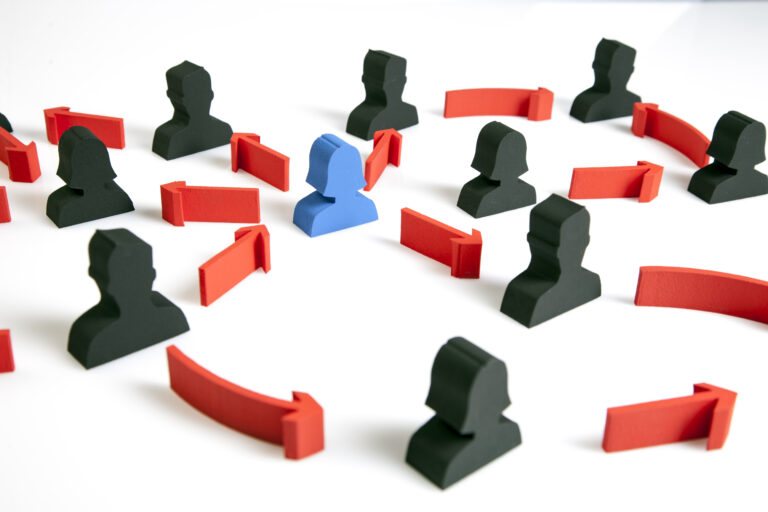
A Living System, Not a Static Plan
Change readiness is not a checklist—it’s a living capability. It’s how we help clients move from coping to creating, from reactive to adaptive. It’s the difference between delivering change and becoming a change-capable organisation. The table below highlights key differences between traditional approaches to change readiness and our approach.
| Traditional Change Readiness | The Change Gym® Approach |
|---|---|
| Focuses on assessing current willingness, capability, and resources before a change initiative | Focuses on developing adaptive capacity through Readiness Pathways — progressive, inclusive learning sequences that embed readiness into everyday practice |
| Emphasises organisational factors: commitment, efficacy, resources, leadership support, culture, history | Integrates individual and collective readiness, recognising that personal adaptive intelligence drives organisational resilience |
| Readiness is often treated as a static snapshot (survey, interview, diagnostic at a point in time) | Readiness is treated as a dynamic capability — strengthened over time through micro‑learning, coaching, and continuous feedback loops |
| Leadership support is framed as sponsorship and communication | Leadership readiness is itself assessed and developed — leaders must model adaptive intelligence, strategic readiness, and change fitness |
| Culture and communication are highlighted as enablers | Psychological safety, inclusivity, and low‑barrier pathways are deliberately designed to engage hesitant or less motivated learners |
| Past change history is seen as a predictor of current attitudes | Past experiences are reframed into learning cycles, building confidence through structured practice and iterative improvement |
| Assessment informs whether a project should proceed, adjust, or pause | Diagnostics (Strategic Readiness Survey, Readiness Engine Survey, IRVEY) feed directly into tailored capacity‑building pathways |
| Goal: improve chances of a smooth rollout and sustainable results | Goal: build a scalable, continuous ecosystem of adaptive intelligence that strengthens workforce resilience across sectors |
Dynamic capability: readiness is no longer a one‑off measure, but a living system.
Readiness Pathways: progressive, inclusive sequences designed to engage even hesitant learners.
Leadership readiness: leaders are not just sponsors, but active participants modelling adaptive intelligence.
Psychological safety & inclusivity: deliberately engineered into pathways to broaden engagement.
Learning cycles: past experiences reframed into iterative improvement, not just predictors of resistance.
Integrated diagnostics: surveys feed directly into tailored pathways, making readiness actionable.
Ecosystem goal: readiness positioned as scalable across sectors, not just project‑specific.